An onlooker when informed me, after we completed a work environment first aid training, that the only reason he signed up was since his supervisor urged. 6 weeks later on he made use of those abilities on his father, who fell down at a family members barbecue. The rescue team informed him bluntly: starting CPR early probably conserved his daddy's brain.
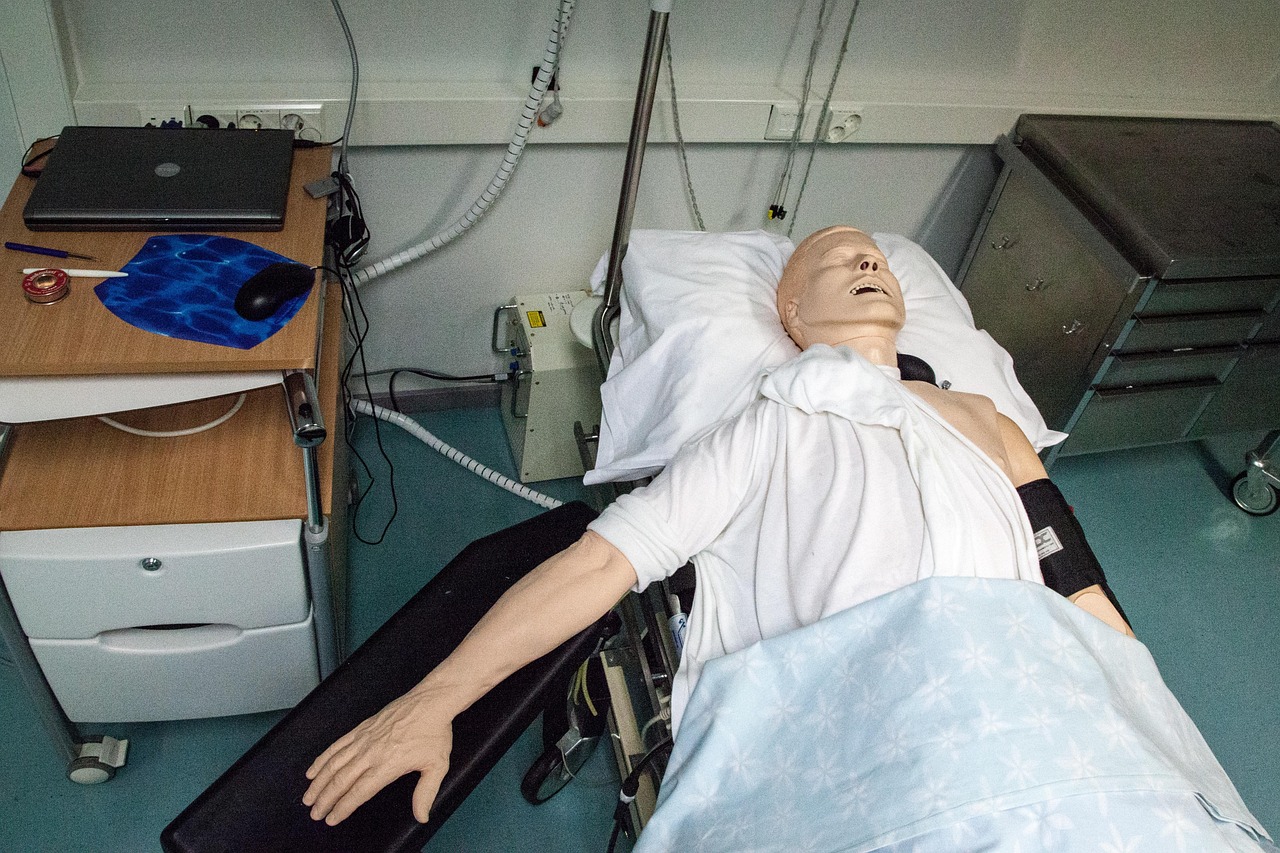
He did not remember every phrase or every slide. What he did keep in mind was how it really felt to stoop close to a manikin, secure his elbows, and maintain going up until assistance showed up. That muscle memory is exactly what a well run fast first aid course is designed to build.
Fast, express, compressed, sped up - the labels differ, therefore does the high quality. If you wish to go from zero to licensed without wasting time or cash, it assists to recognize what you are actually acquiring when you search for a "fast first aid course near me".
This overview walks through the facts behind fast first aid and CPR training, what an excellent course must cover, and just how to choose a choice that fits your schedule without reducing edges on safety.
What "fast" actually suggests in first aid training
Fast first aid training does not imply careless or incomplete, at least not when it is done correctly. In technique, speed usually originates from 2 things: concentrating securely on core skills, and utilizing combined delivery so you total concept online and maintain classroom time for hands on work.
A credible fast first aid course or fast cpr course is normally:
- Short in total hours compared to multi day traditional courses, typically 3 to 6 hours of call time plus pre learning. Focused on one of the most common life endangering emergencies, as opposed to every rare scenario in the textbook. Highly structured, with really little downtime, side chatter, or redundant content.
That compromise jobs well for many people. The first aid and cpr skills that absolutely matter in the very first couple of mins of an emergency situation are not made complex. Early CPR, early defibrillation, basic blood loss control, secure positioning, and calling for help will save even more lives than a best plaster on a sprained ankle.
Where speed becomes an issue is when suppliers shave off the moment needed to practice. You can enjoy CPR video clips all the time, however until you really press on a breast and feel exactly how deep and fast proper compressions are, you do not have the skill. Fast first aid courses that avoid or rush functional assessment usually create paper certifications, not qualified responders.
When you assess express first aid courses or express cpr courses, always ask how much hands on time is consisted of, not just the advertised duration.
Core abilities you should walk away with
Whether you schedule an office first aid training, an express childcare first aid course, or a weekend break CPR refresher, the end results ought to really feel surprisingly comparable. The context and additional subjects may change, yet the foundations remain constant.
By the end of a strong first aid and cpr course, you must have the ability to:
Recognise an emergency situation swiftly. That sounds obvious, but I have viewed adults stand iced up by a collapsed colleague since they were uncertain if they were "overreacting." Fast courses make use of scenarios to train that very first psychological step: this is not normal, I need to act.
Check responsiveness and breathing securely. You require to recognize just how to approach, just how to open up an airway, and how to determine whether breathing is normal or not. Several students ignore exactly how agonal gasps look and sound. Excellent cpr training constantly clears up this.
Call for assistance efficiently. Calling emergency situation solutions is not just pressing three numbers. In course we exercise what to state, how to describe the place, and how to turn over to somebody else without chaos.
Start CPR with self-confidence. That includes correct hand placement, compression depth and price, safe ventilations if needed in your local protocol, and just how to switch rescuers if there are two people. Fast cpr courses concentrate hard on this, commonly utilizing feedback manikins that reveal whether your compressions are deep enough.
Use an AED without hesitation. Modern defibrillators are extremely easy to use, yet people still bother with "doing it incorrect." An efficient first aid and cpr training class allows you open an AED, location pads, follow triggers, and handle useful concerns like chest hair or water.
Control life intimidating blood loss. Straight stress, basic dressings, and when to utilize a tourniquet or haemostatic clothing if those are part of your work environment kit.
Position and keep track of a casualty. Recovery setting for a person who is breathing however unresponsive, sitting settings for breathing difficulty, and ongoing checks until assistance arrives.
On top of this, different first aid courses layer on topics such as choking, burns, cracks, allergic reactions, diabetic person emergencies, and seizures. Fast first aid course service providers in some cases compress these right into circumstances as opposed to separate lectures. The aim is still the exact same: you must be able to make safe, basic choices under stress.
Types of fast and express first aid courses
Once you start browsing, the menu of alternatives expands promptly. From an instructor's side, there are a couple of common patterns.
General fast first aid course
This is the classic short, wide program that covers grown-up fundamental life support, bleeding, typical injuries, and easy ailment recognition. It fits white-collar worker, volunteers, and any individual that wants a first aid certificate for general life instead of a details job requirement.
Duration varies by country and accreditation, yet a regular fast first aid training session competes half a day face to face, sustained by 1 to 3 hours of on-line pre learning.
CPR just and fast cpr refresher course
If your sole emphasis is resuscitation, search for targeted cpr courses or express cpr training. These fast cpr courses centre on:
- Adult CPR and AED for single rescuer Sometimes child and infant CPR, depending on the program Special situations like drowning or trauma if time allows
A fast cpr correspondence course is excellent if you currently hold a certificate and want to keep your skills current. In lots of jurisdictions, CPR requires renewing every one year for office or specialist conformity. In method, I recommend a refresher at the very least every 1 to 2 years for every person. Technique drifts, self-confidence discolors, and standards do change.
Express child care first aid course
Parents, early youth instructors, and institution team generally need greater than adult CPR. Express childcare first aid courses focus on:
- Infant and youngster CPR Choking administration for infants and children Fever, seizures, allergies, and asthma Practical concerns in child care setups, such as managing numerous youngsters while responding
An express child care first aid training session may still be just one day, but the study and material skew greatly toward pediatric scenarios. If you deal with youngsters, select this over a common course. The psychological load of dealing with a kid is really different, and practising on kid and infant manikins matters.
Blended first aid and cpr course
Many service providers now combine online learning with brief, extensive useful workshops. You full video clips, tests, and theory components in the house, after that attend a fast first aid course face to face for analysis and hands on skills.
This style functions particularly well for:
- Busy specialists who can not manage numerous days far from work. Learners that like to stop briefly and rewind concept material. Organisations reserving group first aid and cpr training classes on limited schedules.
The trick is honesty. You must in fact complete the pre course components properly. Browsing them and intending to capture up in class seldom ends well.
What a well designed fast first aid training day looks like
Not all "express" schedules are equal. When I design a fast first aid and cpr course, I function backwards from what students must do effectively prior to I authorize their first aid certificate, then construct a tight timetable around that.
A regular in person day for a combined or express first aid course could appear like this:
Short review of pre discovering and key concepts, consisting of questions. Demonstration and method of main survey, CPR, and AED, revolving with grownup, youngster, and infant manikins if covered. Scenario based method of common emergency situations such as choking, hemorrhaging, and subconscious breathing casualties. Practical evaluation and debrief, with time for individual coaching and work environment certain questions.Notice how the focus rests squarely on doing, not paying attention. A well run express first aid training session feels literally energetic, sometimes a little stressful. If you locate yourself sitting for long stretches seeing slides, you are not in a fast course, you remain in a slow lecture with a brief schedule.
How "from no to licensed" in fact works
People commonly fret that they have no standard understanding. That is not a trouble. In lots of methods, learners that come to first aid fresh, without fifty percent bore in mind misconceptions from years previous, are less complicated to teach.
The journey from absolutely no to accredited in a fast first aid or express cpr course generally plays out in 3 stages.
First, you form a psychological map. Throughout online modules or early in the course, you learn the framework: check for risk, check action, phone call for aid, begin compressions, utilize an AED. You become aware of the healing setting, extreme blood loss, and choking. This is where mnemonics and easy flowcharts help.
Second, you layer in muscle memory. You stoop down, position your hands, press, and really feel the resistance in the manikin's upper body. You practise rolling a person right into recuperation setting. You apply plasters, practice your words for an emergency situation phone call, and go through just how you would take care of a subconscious associate in your actual workplace.
Third, you show you can put it together under light stress. Throughout analysis, you reply to timed situations, typically with a partner. You do not need to be best. You do require to be safe, reasonably positive, and able to follow the core sequence without coaching.
That is the actual point of fast certification. The paper certificate or digital badge only matters because it indicates that an assessor has seen you get the job done to a clear standard.
Choosing the right fast first aid course provider
I have actually shown for huge national organisations and small neighborhood groups. Dimension alone does not forecast top quality. What matters extra is just how seriously the service provider takes both conformity and learning.
Here is a straightforward list that helps when comparing fast first aid courses or express cpr courses.
- Accreditation: Are their first aid and cpr courses identified by the authority or market body appropriate to your work or country? For office compliance, this is non negotiable. Instructor experience: Do they use trainers with frontline or real world backgrounds, such as paramedics, registered nurses, or experienced first aid teachers, and do they get recurring training themselves? Practical time: How many hours are really hands on, with manikins and circumstances, rather than slides? If the response is "a quick go through at the end," look elsewhere. Blended design: If the course is brief, do they provide purposeful pre knowing or on-line components, or are they attempting to pack everything right into a confined class block? Reviews and responsiveness: Do previous participants point out feeling great later on, and does the organisation answer inquiries plainly prior to you book?
When searching online for a "fast first aid course near me" or "express first aid course," use this list as a filter. Advertising and marketing language can be glossy. Certification details and schedules are harder to fake.
How regional rules and workplace needs alter the picture
Regulations around first aid course web content, length, and renewal frequency differ commonly. In some areas, a standard full first aid and cpr course is anticipated to be at least one complete day. In others, a 3 to 4 hour blended class is sufficient if the supplier fulfills specific assessment criteria.
Workplace duty shapes your choice too. A couple of examples from practice:
A child care employee typically requires an express childcare first aid certificate that clearly covers pediatric CPR, bronchial asthma, and anaphylaxis, renewed every 1 to 3 years depending on neighborhood law.
A building site initial aider might need a much more extensive fap first aid or comparable program that covers crush injuries, ecological direct exposure, and injury, also if provided in an accelerated format.
A health club trainer can commonly satisfy their responsibilities with a fast cpr course incorporated with a short basic first aid module, as long as AED use is included.
For local business, I usually suggest first aid and cpr course Logan a fast first aid training package supplied on site. The trainer can after that adapt scenarios to your real setting, clarify where to store the package, and even assist make incident reaction plans. The express nature of the course maintains downtime low for personnel, yet the contextualisation makes the discovering stick.
If you are reserving by yourself and uncertain what you actually need, ask your employer, licensing body, or sporting activities organization for certain demands prior to enlisting. After that match those against course descriptions.
Online, mixed, or classroom only: which is best?
Some students still prefer a traditional, fully one-on-one first aid course. Others value the adaptability of online concept. From a teaching point ofview, each format has trade offs.
Purely on the internet courses for first aid and cpr stress me, unless they are clearly badged as understanding only and do not assert complete proficiency. Without supervised technique, it is impossible to confirm that you can do risk-free, efficient compressions, or roll a casualty with spine precautions.
Blended express first aid and cpr courses strike a far better balance. The on-line element can cover:
- Legal and moral considerations. Infection control and basic precautions. The science behind CPR and defibrillation. Recognition of usual medical conditions.
Then the personally workshop focuses on manual skills and assessment. That structure is ideal for fast certification because you do not throw away valuable class mins reviewing text on slides that you could have studied at home.
Classroom just fast first aid courses still have a place, especially where learners have restricted net access or language barriers that are much better resolved face to face. To attain "fast" condition legitimately, those classes usually tighten their range to core emergencies and miss much less crucial topics.
When picking, be truthful regarding your very own knowing design. If you understand you will certainly hurry or ignore on the internet modules, a tightly run in person session may be extra effective, even if it takes slightly much longer on the day.

Keeping your abilities sharp after a fast course
First help is subject to spoiling. I sometimes ask returning students, "When did you last practise CPR on a manikin?" The most usual solution is, "The last time I was right here for training."
Guidelines typically suggest CPR refreshers a minimum of yearly and full first aid refreshers every 2 to 3 years. Fast cpr correspondence course exist precisely due to this. They presume you have a structure and concentrate on getting rid of corrosion, correcting poor practices, and upgrading you on any kind of guideline changes.
Between formal courses, a few basic routines make a big difference:
Read or watch one trustworthy first aid source every couple of months and Click to find out more mentally rehearse what you would certainly carry out in your own environment.
Locate and check the first aid package and AED anywhere you invest a great deal of time: home, work, health club, college. You shed essential minutes in a real emergency situation if no one knows where the essential equipment lives.
Talk with "what if" scenarios with colleagues or family in a calm minute. Who calls for assistance, who fetches the AED, who fulfills the rescue at the door.
Encourage your work environment or community group to run quick practice drills. 5 minutes spent pretending a coworker has broken down in the parking area can disclose a whole lot about gain access to, interaction, and confidence.
The whole point of an express first aid course or express cpr course is to reduce the obstacle to entry. It obtains you started. Sustaining that skills still takes calculated practice, even if it is informal.
When a fast course is not enough
Most of the moment, fast first aid courses are exactly what people need. Yet there are situations where you should buy much deeper training.
Remote environments are a classic example. If you work or take a trip in locations where a rescue may be an hour away, a compressed urban focused first aid training is not adequate. You need increased abilities in long term care, ecological management, and improvisation.
High threat industries such as mining, heavy manufacturing, and specific sports may need extended fap first aid or progressed first aid modules that include oxygen treatment, back management, and intricate injury treatment. These are hard to press safely.
People https://fernandofhtg743.yousher.com/cpr-training-quickly-fast-courses-that-fit-your-arrange in leadership duties, such as college principals or event organisers, commonly gain from added content on emergency situation preparation, communication with households, and post event assistance. That sits past the range of a lot of express first aid training sessions.
Think of fast certification as a solid standard, not the ceiling. If your obligations or setting carry higher risks, deal with the compressed course as the initial rung on a longer ladder.
The actual value of obtaining licensed quickly
When somebody asks me whether an express first aid course is "worth it," I think back to a particular evening class. An individual, a young retail employee, completed a fast cpr course noticeably not sure if she had actually done well. Her compressions were technically sound, yet her self confidence was low.
A few months later she emailed our workplace. A consumer had broken down outside the store. She started CPR while an associate called for assistance and used the mall AED when security brought it. The male endured to healthcare facility discharge.
Her message was brief and unfinished. The component that stuck to me was, "I just did what we practiced in course."
That is what you are buying when you purchase fast first aid and cpr training classes. Not a piece of paper for your HR data, not a tick box on a compliance list, however the ability to act in those initial chaotic mins when someone's life tilts on a couple of basic actions.
A carefully structured fast first aid course, whether basic, childcare focused, or a pure cpr training module, lets you reach that factor without losing days of your time or learning unnecessary product. As long as you select a reputable provider, dedicate appropriately to the process, and rejuvenate your abilities frequently, "from absolutely no to licensed" can be both reliable and truly life changing.